Discovering the Importance of Aluminum Foundry in Sustainable Design Practices
Aluminum foundries are increasingly acknowledged for their crucial role in sustainable engineering. By recycling light weight aluminum and making use of innovative technologies, they contribute to resource preservation and minimized exhausts. This technique cultivates a round economy, enhancing product high quality while lessening ecological effect. The journey towards sustainability in metal spreading is stuffed with obstacles and possibilities that call for additional exploration. What lies ahead for light weight aluminum foundries in the pursuit for a greener future?
The Function of Aluminum Foundries in Resource Preservation
Aluminum foundries play a crucial function in resource conservation by effectively recycling aluminum products. These facilities contribute in transforming scrap aluminum right into top notch items, thus minimizing the need for new aluminum removal. The process involves thawing down utilized aluminum things, which needs substantially much less energy than generating aluminum from raw bauxite ore. By utilizing existing products, foundries help decrease greenhouse gas exhausts related to mining and refining procedures.
In addition, aluminum foundries add to squander decrease by diverting scrap from land fills, promoting a more lasting approach to source management. They usually work together with sectors to collect post-consumer and post-industrial light weight aluminum waste, enhancing the total recycling infrastructure. This method not just conserves natural deposits however additionally supports the economic situation by producing tasks and fostering innovation in sustainable design practices. Via these efforts, aluminum foundries exhibit a dedication to environmental stewardship and source performance in manufacturing.
Recycling and Repurposing: A Round Economic Situation Approach
The idea of a round economic situation is increasingly getting grip in various markets, consisting of light weight aluminum foundries. This approach highlights the relevance of recycling and repurposing materials to lessen waste and maximize resource use. In light weight aluminum foundries, reusing entails reclaiming scrap aluminum from production processes and end-of-life products, significantly minimizing the demand for virgin products. This not just preserves natural deposits yet additionally decreases power intake related to light weight aluminum manufacturing.
Repurposing, on the various other hand, entails changing thrown out light weight aluminum items right into new, practical products, consequently prolonging their life process. By embracing these methods, aluminum foundries add to a lasting manufacturing ecological community that focuses on ecological duty. The assimilation of reusing and repurposing within the light weight aluminum market aligns with broader sustainability goals, driving development and improving the economic viability of round economic situation concepts (Aluminum Foundry). Ultimately, this approach cultivates durability within the market while reducing its eco-friendly impact
Ingenious Technologies Transforming Aluminum Spreading
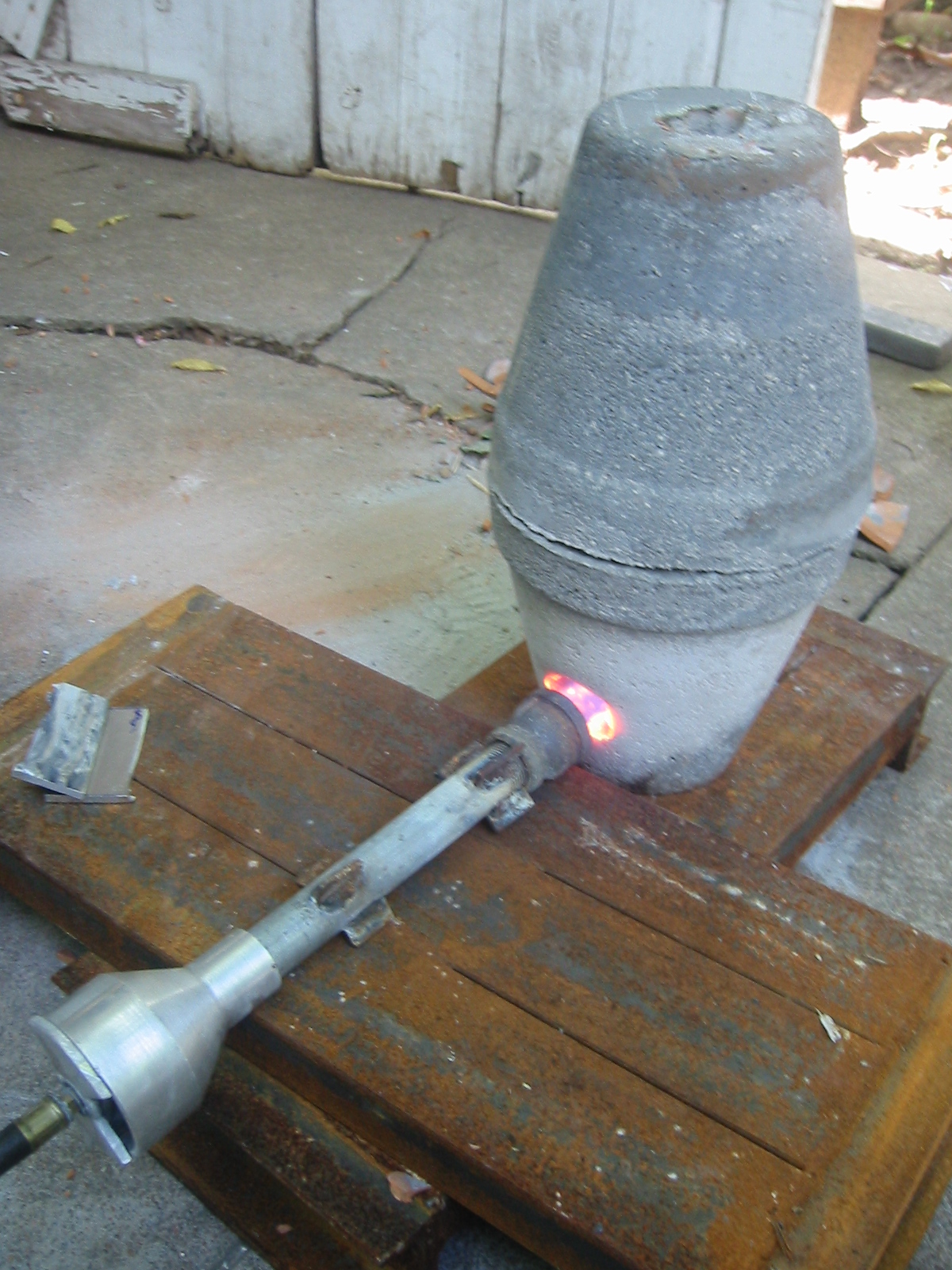
Ingenious technologies are improving the aluminum spreading market by introducing innovative molding methods that enhance accuracy and effectiveness. In addition, the advancement of environment-friendly alloys is promoting sustainability while keeping performance criteria. Automation in casting processes further simplifies production, lowering waste and energy intake.
Advanced Molding Techniques
Eco-Friendly Alloy Development
As the demand for lasting techniques in making expands, the advancement of environmentally friendly aluminum alloys has arised as a critical emphasis within the aluminum casting sector. These cutting-edge alloys intend to decrease environmental influence while keeping remarkable performance characteristics. Scientists are discovering the consolidation of recycled materials and non-toxic components, which not only decrease the carbon impact but likewise boost resource effectiveness. Advanced methods, such as the usage of bio-based additives, are being checked out to enhance alloy buildings without jeopardizing sustainability. Additionally, cooperations in between academia and sector are promoting the creation of alloys customized for particular applications, ensuring that green options fulfill the extensive demands of contemporary design. This commitment to sustainability placements the light weight aluminum casting market as a leader in liable manufacturing practices.
Automation in Casting Procedures
While the light weight aluminum casting market accepts sustainability, automation in casting processes is all at once transforming manufacturing efficiency and high quality. Advanced technologies go to this site such as robotic arms, computer system mathematical control (CNC) devices, and expert system are enhancing procedures, reducing labor expenses, and minimizing human error. These advancements enable accurate control over spreading criteria, guaranteeing constant item top quality and decreasing product waste. In addition, automated systems can monitor real-time data, enabling immediate adjustments to enhance efficiency. As an outcome, suppliers can enhance their sustainability efforts by enhancing resource use and decreasing power consumption. The integration of automation not only meets the growing demand for high-grade light weight aluminum parts yet also aligns with environmentally friendly methods, noting a significant development in the aluminum foundry sector.
Minimizing Carbon Footprints Via Sustainable Practices
A considerable decrease in carbon impacts can be attained with the application of sustainable methods in aluminum foundries. By adopting energy-efficient modern technologies, foundries can decrease power usage, thus reducing greenhouse gas emissions. Additionally, the assimilation of recycled light weight aluminum considerably minimizes the requirement for resources removal, which is resource-intensive and adds to environmental degradation.
Implementing innovative melting methods, such as induction melting, can likewise enhance performance and minimize emissions. Optimizing the spreading process with automation and monitoring can reduce waste and power usage.
Factories can also change towards renewable resource sources, such as solar or wind, to power procedures, consequently reducing dependence on fossil fuels. Worker training on lasting practices promotes a society of environmental obligation, making certain that everyone contributes in lowering the overall carbon footprint. With these actions, aluminum foundries can significantly add to an extra sustainable future.
The Impact of Aluminum Foundries on Numerous Industries
Aluminum foundries play a considerable duty throughout various industries, supplying light-weight and sturdy materials that enhance product efficiency and sustainability. In the auto sector, aluminum castings contribute to fuel effectiveness by minimizing lorry weight, inevitably leading to lower emissions. The aerospace industry take advantage of aluminum's strength-to-weight ratio, allowing the production of much more effective aircraft styles. In building, light weight aluminum elements use rust resistance and durability, making buildings much more sustainable in time. Furthermore, the electronics industry makes use of light weight aluminum for its superb thermal conductivity, which is essential for warmth dissipation in tools. Furthermore, aluminum foundries sustain the production of consumer goods, giving cosmetically pleasing and practical products. As sectors significantly prioritize sustainability, the role of light weight aluminum foundries ends up being much more critical, ensuring that products not only fulfill performance criteria however also align with ecological goals. The impact of aluminum foundries expands across numerous industries, driving innovation and advertising lasting methods.
Challenges and Opportunities in Lasting Metal Casting
As markets undertaking for sustainability, the difficulties and opportunities in sustainable steel casting come to be increasingly famous. One significant difficulty is the ecological effect of typical casting processes, which often include high power consumption and discharges. In addition, the need for knowledgeable labor in sustainable methods postures difficulties for lots of foundries. Chances are plentiful with innovations in technology, such as the combination of energy-efficient methods and the usage of recycled products. Stressing the circular economy, foundries can decrease waste and lower expenses while improving item top quality. Cooperation amongst stakeholders, including suppliers and customers, can result in ingenious techniques that cultivate sustainability. In addition, governing stress motivate foundries to embrace greener practices, transforming difficulties into opportunities for growth. By addressing these difficulties, the metal casting industry can place itself as a leader in sustainable engineering, ultimately adding to an extra eco responsible future.
Future Trends in Aluminum Foundry Practices for Sustainability
Innovative Recycling Techniques
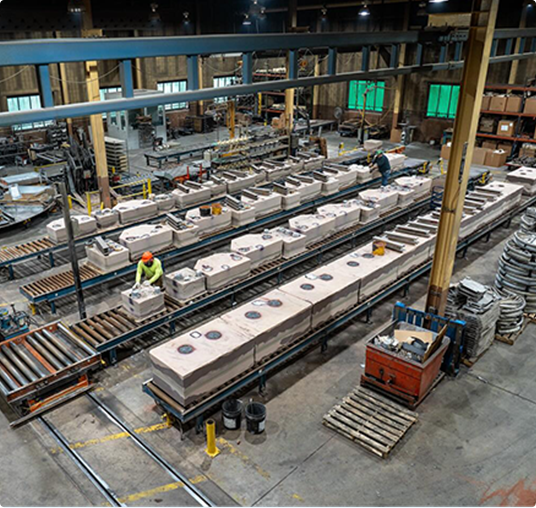
While the need for sustainable methods proceeds to rise, innovative recycling strategies are emerging as essential remedies within the aluminum foundry industry. Advanced methods such as closed-loop recycling are acquiring grip, permitting for the repurposing of scrap light weight aluminum directly back into the manufacturing procedure. This strategy not just minimizes waste however additionally reduces the carbon footprint related to aluminum manufacturing. Additionally, the development of sophisticated sorting innovations improves the performance of recycling procedures, making certain top quality feedstock for foundries. Strategies like hydrometallurgical recycling further optimize resource recovery, enabling the extraction of important materials from complex aluminum alloys. As these innovations develop, they significantly add to a much more sustainable aluminum foundry industry, aligning with international ecological Check Out Your URL goals.
Energy-Efficient Casting Techniques
Ingenious recycling techniques lead the way for improvements in energy-efficient spreading techniques within the aluminum foundry sector. These techniques concentrate on minimizing energy consumption and decreasing waste throughout the spreading process. Methods such as die casting and investment casting are being fine-tuned to enhance thermal performance and reduce cycle times. Additionally, the integration of wise innovations and automation allows for real-time surveillance and read what he said optimization of power use. Researchers are also discovering alternative products and additives that can additionally enhance power effectiveness (Aluminum Foundry). The shift in the direction of sustainable techniques is not merely governing; it shows an expanding market demand for greener items. As energy-efficient casting approaches progress, they promise to significantly lower the carbon impact of aluminum manufacturing while keeping high quality and efficiency requirements
Regularly Asked Questions
What Are the Ecological Advantages of Aluminum Foundries Compared to Various Other Metals?
Aluminum foundries use significant environmental benefits, consisting of lower energy intake, minimized greenhouse gas discharges, and recyclability. Contrasted to other metals, light weight aluminum's light-weight nature boosts fuel effectiveness in transport, further adding to sustainability in various sectors.
How Do Aluminum Foundries Contribute to Regional Economic Situations and Work Development?
Aluminum foundries play an important function in regional economic situations by generating work opportunities and supporting supplementary sectors. Their procedures boost economic growth, improve workforce abilities, and foster community advancement via financial investment in local infrastructure and services.
What Precaution Are Carried Out in Aluminum Foundry Workflow?
Precaution in aluminum factory operations include personal protective devices, air flow systems to lower direct exposure to fumes, normal tools upkeep, safety training for workers, and stringent adherence to market policies to reduce threats and guarantee worker safety and security.
Just How Can Customers Support Sustainable Practices in Aluminum Production?
Consumers can sustain lasting techniques in light weight aluminum manufacturing by picking products made from recycled aluminum, promoting for eco pleasant sourcing, and supporting companies devoted to decreasing their carbon impact and carrying out accountable manufacturing procedures.
What Qualifications Should Aluminum Foundries Seek for Sustainability Acknowledgment?
Aluminum foundries must go after certifications such as ISO 14001 for ecological monitoring, LEED for eco-friendly building, and the Aluminum Stewardship Initiative criteria to get recognition for their dedication to sustainability and accountable production techniques.